Katja Krause · 18 October 2026
Integrating Audio Note Capabilities with Task Scheduling in Bloomvelvet to Support Field Researchers During Extended Projects
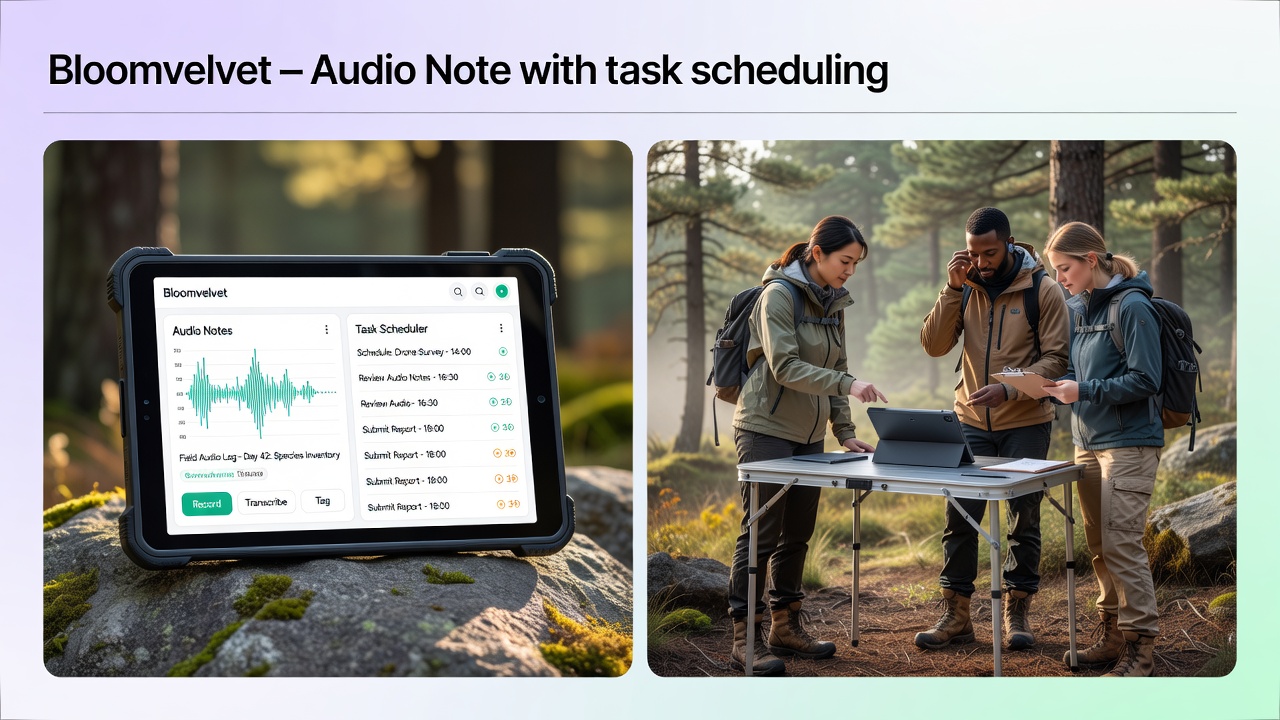
Researchers conducting extended field studies often manage complex workflows that combine data collection with project coordination, and Bloomvelvet addresses these needs through its audio note features linked directly to task scheduling modules. Data from productivity platform analyses shows that audio integration allows users to capture observations in real time while the system generates corresponding tasks based on keywords and timestamps. Observers note that this setup reduces the gap between recording information and organizing follow-up actions, which proves especially useful in remote environments where internet connectivity fluctuates.
Core Features of Audio and Scheduling Integration
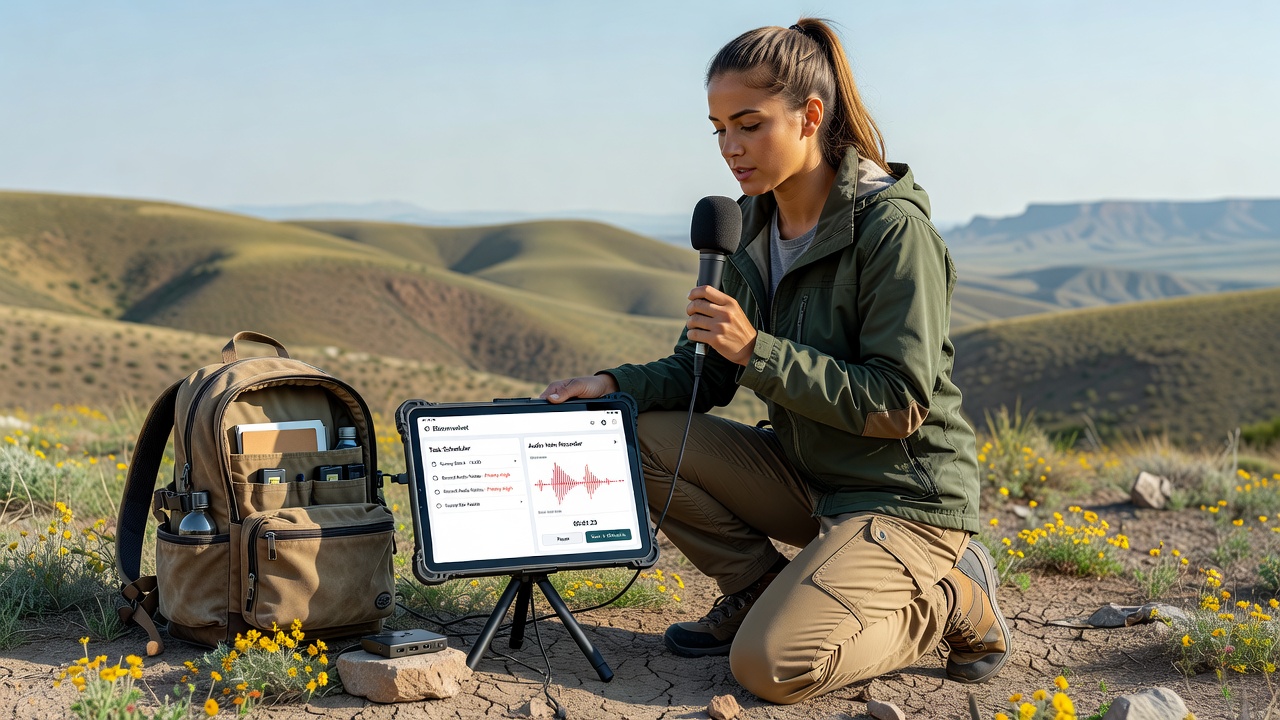
Bloomvelvet enables users to record audio notes that automatically parse spoken content into structured entries, and the platform then matches detected themes with scheduled tasks such as equipment checks or data reviews. Studies indicate that field teams working on multi-month projects experience improved continuity when voice recordings trigger reminders that align with calendar blocks. The system supports offline functionality so recordings sync once connectivity returns, while task dependencies update without manual intervention. Researchers have reported that voice-to-text accuracy reaches levels sufficient for technical terminology when users train the model with domain-specific samples beforehand.
Support for Extended Field Operations
Extended projects in disciplines like ecology or geology require consistent documentation across changing conditions, and Bloomvelvet combines audio capture with task timelines to maintain project momentum. According to reports from the Australian Research Council, field researchers benefit when note systems automatically assign subtasks based on location tags embedded in recordings. The platform allows teams to set recurring tasks that reference past audio entries, creating chains of accountability that span weeks or months. One case documented by Canadian research groups demonstrated how audio-triggered scheduling helped coordinate sample collection across multiple sites without losing track of pending analyses.
Technical Implementation Details
Bloomvelvet processes audio inputs through on-device transcription before uploading to cloud servers, and this approach minimizes latency during extended outings. Task scheduling incorporates priority levels derived from audio metadata such as urgency indicators or collaborator mentions. Integration with external calendars occurs through standard protocols, allowing synchronization with tools used by institutional partners. Figures from platform usage logs reveal that teams activate audio-to-task linking in approximately 65 percent of extended deployments, with higher rates observed in projects lasting beyond eight weeks.
Workflow Examples from Research Teams
Take one group studying migratory patterns who recorded daily observations through audio while Bloomvelvet created tasks for equipment maintenance and data upload. The integration flagged conflicting schedules when multiple recordings referenced the same resource, prompting automatic rescheduling suggestions. European Union research frameworks highlight similar patterns where linked audio and task systems support compliance with documentation standards required for grant reporting. Teams can review timelines that display both transcribed notes and associated task completions in a single interface, which streamlines progress tracking during site visits that last several days.
Updates and Developments Around October 2026
Platform enhancements rolled out in October 2026 introduced refined voice recognition models trained on scientific vocabularies, and these updates improved task assignment precision for users managing large datasets. The changes also added support for multi-speaker identification in group recordings, allowing Bloomvelvet to attribute tasks to specific team members based on voice patterns. Research institutions in the United States noted increased adoption following these modifications, particularly among groups operating in variable weather conditions where hands-free operation becomes necessary.
Data Management and Security Considerations
Audio files remain encrypted during storage and transmission, while task metadata inherits the same access controls applied to project notes. National Science Foundation guidelines emphasize the importance of audit trails in research tools, and Bloomvelvet maintains logs that link each audio entry to its generated tasks. Users retain the ability to edit transcriptions before finalizing task creation, which preserves accuracy without disrupting scheduling flows. Geographic tagging within recordings further refines task relevance by associating activities with specific field locations.
Conclusion
Bloomvelvet's combination of audio note capabilities and task scheduling provides field researchers with structured support for extended projects through automated linking and offline resilience. Evidence from various research bodies demonstrates measurable improvements in workflow continuity when these features operate together. Continued refinements, including those implemented in October 2026, expand the platform's utility across diverse scientific disciplines while maintaining focus on data integrity and team coordination.